- English
- Español
- Português
- русский
- Français
- 日本語
- Deutsch
- tiếng Việt
- Italiano
- Nederlands
- ภาษาไทย
- Polski
- 한국어
- Svenska
- magyar
- Malay
- বাংলা ভাষার
- Dansk
- Suomi
- हिन्दी
- Pilipino
- Türkçe
- Gaeilge
- العربية
- Indonesia
- Norsk
- تمل
- český
- ελληνικά
- український
- Javanese
- فارسی
- தமிழ்
- తెలుగు
- नेपाली
- Burmese
- български
- ລາວ
- Latine
- Қазақша
- Euskal
- Azərbaycan
- Slovenský jazyk
- Македонски
- Lietuvos
- Eesti Keel
- Română
- Slovenski
- मराठी
- Srpski језик


Why Are Li Polymer Prismatic Batteries Becoming the Preferred Power Solution for Modern Electronics
Li Polymer Prismatic batteries are rapidly becoming a popular power solution across industries such as consumer electronics, medical devices, IoT products, and energy storage systems. Their lightweight design, high energy density, and customizable form factors make them ideal for modern compact devices. This in-depth guide explores the advantages, applications, technical characteristics, and selection tips for Li Polymer Prismatic batteries. It also explains why manufacturers and engineers increasingly rely on advanced battery providers like Encore Energy for high-performance lithium polymer battery solutions.
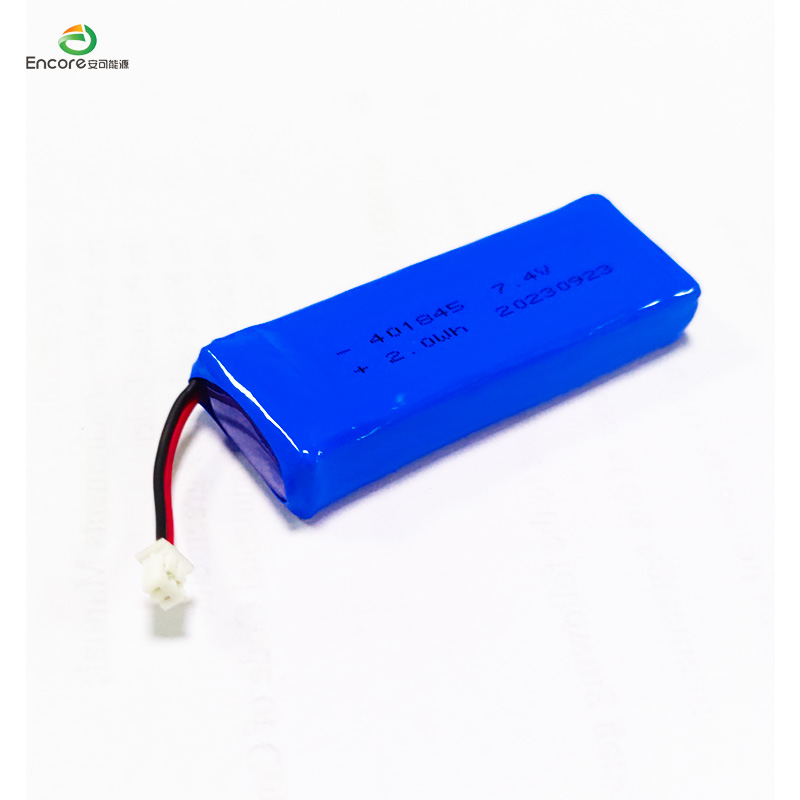
Table of Contents
- 1. What Is a Li Polymer Prismatic Battery?
- 2. Key Features of Li Polymer Prismatic Batteries
- 3. Advantages Compared to Other Battery Types
- 4. Main Applications of Li Polymer Prismatic Batteries
- 5. Technical Specifications and Performance Factors
- 6. How to Choose the Right Li Polymer Prismatic Battery
- 7. Safety and Reliability Considerations
- 8. Future Trends in Lithium Polymer Battery Technology
- 9. Frequently Asked Questions
1. What Is a Li Polymer Prismatic Battery?
A Li Polymer Prismatic battery is a rechargeable lithium battery that uses a polymer electrolyte and is designed in a flat rectangular (prismatic) shape. This design allows the battery to maximize space efficiency while delivering high energy density.
Unlike traditional cylindrical lithium-ion batteries, prismatic lithium polymer batteries use a laminated or pouch-style structure that can be customized to fit specific product designs. This flexibility has made them widely used in modern electronics.
Manufacturers such as Encore Energy specialize in designing customized lithium polymer battery packs to meet different power and size requirements.
2. Key Features of Li Polymer Prismatic Batteries
Li Polymer Prismatic batteries offer several advanced characteristics that distinguish them from other lithium battery formats.
| Feature | Description |
|---|---|
| High Energy Density | Stores more power in a smaller space compared to many traditional batteries. |
| Flexible Shape | Can be customized to fit different product dimensions. |
| Lightweight Design | Ideal for portable electronics and wearable devices. |
| Low Self-Discharge | Maintains stored energy for longer periods. |
| Improved Safety | Advanced internal structure reduces leakage and overheating risks. |
These features make lithium polymer prismatic batteries particularly attractive for manufacturers developing compact electronic devices.
3. Advantages Compared to Other Battery Types
When compared with cylindrical lithium-ion batteries or traditional lithium polymer pouch cells, Li Polymer Prismatic batteries provide several advantages.
Major Benefits
- Higher packaging efficiency
- Better space utilization in devices
- Customizable dimensions
- Enhanced thermal performance
- Higher design flexibility for engineers
| Battery Type | Shape | Design Flexibility | Energy Density | Typical Use |
|---|---|---|---|---|
| Li Polymer Prismatic | Rectangular | Very High | High | Smart devices, IoT products |
| Cylindrical Li-ion | Round | Low | Medium | Power tools, laptops |
| Traditional Polymer Pouch | Flexible | High | Medium | Wearables |
Due to these advantages, many product designers prefer working with trusted battery manufacturers such as Encore Energy.
4. Main Applications of Li Polymer Prismatic Batteries
Li Polymer Prismatic batteries power a wide range of modern electronic devices due to their efficiency and compact design.
Common Application Industries
- Consumer electronics
- Wearable devices
- Medical equipment
- IoT smart devices
- Portable industrial tools
- Smart home systems
- Electric mobility devices
Typical Products Using These Batteries
- Smartphones and tablets
- Bluetooth devices
- Portable monitoring equipment
- Smart sensors
- GPS trackers
- Smart watches
The ability to design custom battery dimensions allows companies like Encore Energy to create power solutions that perfectly match product engineering requirements.
5. Technical Specifications and Performance Factors
Understanding battery specifications helps engineers select the right Li Polymer Prismatic battery for their products.
| Specification | Typical Range | Description |
|---|---|---|
| Nominal Voltage | 3.7V | Standard voltage for lithium polymer cells |
| Capacity | 100mAh – 10,000mAh+ | Depends on battery size and design |
| Cycle Life | 500 – 1000 cycles | Number of charge and discharge cycles |
| Energy Density | 150 – 250 Wh/kg | Amount of energy stored per weight |
| Operating Temperature | -20°C to 60°C | Safe operating temperature range |
Battery suppliers such as Encore Energy often provide customized battery packs with built-in protection circuits for improved safety and performance.
6. How to Choose the Right Li Polymer Prismatic Battery
Selecting the correct battery is essential for device performance and safety.
Key Selection Factors
- Required capacity
- Battery dimensions
- Operating temperature
- Charge and discharge rate
- Device power consumption
- Safety certification requirements
Professional Selection Tips
- Calculate your device’s average power consumption.
- Determine the required battery life per charge.
- Select appropriate battery dimensions.
- Ensure compatibility with your charging system.
- Choose a reliable battery supplier.
Working with experienced manufacturers like Encore Energy ensures optimal battery performance and compliance with international safety standards.
7. Safety and Reliability Considerations
Safety is one of the most important aspects when selecting lithium batteries.
Important Safety Features
- Overcharge protection
- Over-discharge protection
- Short circuit protection
- Thermal protection
- Battery management systems (BMS)
High-quality Li Polymer Prismatic batteries undergo strict quality testing to ensure stability and reliability across various operating conditions.
Companies like Encore Energy invest heavily in battery safety engineering, ensuring their products meet international standards and deliver long-term performance.
8. Future Trends in Lithium Polymer Battery Technology
The future of lithium battery technology is focused on improving energy density, safety, and sustainability.
Emerging Industry Trends
- Higher energy density materials
- Fast charging technologies
- Solid-state battery development
- Improved battery recycling systems
- Smart battery management integration
As portable electronics and smart devices continue to evolve, Li Polymer Prismatic batteries will remain a critical power solution across industries.
Battery technology providers like Encore Energy are continuously developing innovative lithium polymer battery designs to support the next generation of smart devices and energy solutions.
9. Frequently Asked Questions (FAQ)
1. What is the difference between Li-ion and Li Polymer Prismatic batteries?
Li Polymer Prismatic batteries use polymer electrolytes and a flat rectangular structure, while traditional lithium-ion batteries often use cylindrical metal casings.
2. Are Li Polymer Prismatic batteries safe?
Yes. When properly manufactured and equipped with protection circuits, they provide reliable and safe energy storage.
3. How long do Li Polymer Prismatic batteries last?
Most batteries provide 500–1000 charge cycles depending on usage conditions and charging methods.
4. Can Li Polymer Prismatic batteries be customized?
Yes. One major advantage of this battery type is the ability to customize dimensions, capacity, and connectors for specific devices.
5. What industries commonly use Li Polymer Prismatic batteries?
They are widely used in consumer electronics, medical equipment, IoT products, wearable technology, and smart devices.
Conclusion
Li Polymer Prismatic batteries represent a powerful combination of flexibility, energy efficiency, and compact design. Their customizable form factor and advanced performance make them an essential component for modern electronic devices.
Whether used in smart consumer products, medical equipment, or industrial IoT systems, these batteries provide reliable and efficient power solutions. By partnering with professional manufacturers like Encore Energy, companies can access advanced lithium polymer battery technologies tailored to their product requirements.
If you are looking for high-quality Li Polymer Prismatic battery solutions or customized lithium battery packs for your project, Encore Energy offers professional engineering support and reliable manufacturing capabilities. Contact us today to learn how our advanced battery technologies can power your next innovation.